
The Allure of Immediate Rewards
Casinos are designed to captivate players with immediate gratification. This strategy taps into the brain’s reward system, triggering the release of dopamine, a neurotransmitter associated with pleasure. When players win, even with small amounts, the brain is conditioned to associate gambling with positive feelings. This creates a loop where players desire to keep playing in hopes of receiving more rewards, including best online casinos australia that offer exciting gameplay and chances to win.
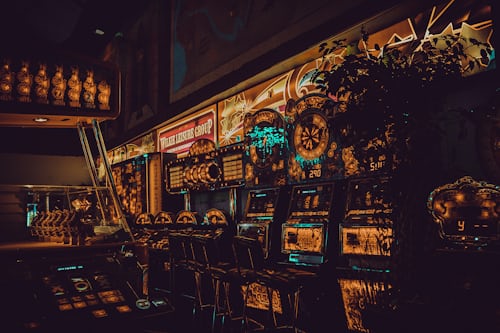
The layout of casinos often reinforces this immediate reward structure. Slot machines, for example, are engineered to provide frequent wins, albeit small ones, which keeps players engaged. The bright lights, sounds of coins clinking, and celebratory music serve to amplify this experience, making losing moments less discouraging and encouraging players to stay longer in pursuit of that next win.
Creating a Comfortable Environment
Another psychological tactic used by casinos is the creation of a comfortable and enticing environment. By using soft lighting, comfortable seating, and temperature control, casinos aim to make players feel relaxed. This ambiance encourages longer stays as players become less aware of time passing and more engrossed in the gaming experience.
The layout of casinos is often strategically designed to keep players in the gaming area. With no clocks and minimal windows, players are disoriented about the time, leading them to stay longer. This psychological manipulation ensures that the gaming floor feels like a separate, immersive world where players can lose track of reality while focused on their games.
The Role of Social Interaction
Social aspects of gambling also play a crucial role in keeping players engaged. Casinos are often bustling with activity, and the presence of other players can foster a sense of community and excitement. This social interaction can enhance the overall experience, making players feel more connected and less likely to leave.
Furthermore, the use of friendly dealers and staff creates a welcoming atmosphere. This interaction can evoke feelings of camaraderie and warmth, leading players to associate their experience with positive social interactions. As a result, they are compelled to return for both the thrill of the game and the rapport they build with others.
Loss Aversion and the Sunk Cost Fallacy
Loss aversion is a powerful psychological principle that casinos exploit to keep players engaged. This concept suggests that individuals are more motivated to avoid losses than to achieve equivalent gains. When players lose money, they are often driven to keep playing in hopes of recouping their losses, leading to what is known as the “sunk cost fallacy.”
This fallacy compels players to continue betting, believing that a win is just around the corner. This behavior can lead to prolonged gambling sessions as players find it hard to walk away from the table or machine, convinced that their next spin or hand might be the one that changes their fortunes.

Exploring the Limits of the Online Gambling Experience
The online gambling experience mirrors many psychological techniques used in physical casinos, but with the added convenience of access from anywhere. With the rise of online platforms, casinos continue to exploit psychological tactics such as personalized bonuses and rewards, which further entice players to stay invested.
Despite potential access issues with some online casinos, platforms aim to provide user-friendly interfaces and appealing incentives to maintain user engagement. This dedication to player experience reflects the continued evolution of the gambling industry, ensuring that whether online or in-person, the psychological principles at play remain effective in keeping players on the edge of their seats.
