
The Illusion of Winning
One of the primary psychological tricks casinos employ is the illusion of winning. Casinos know that players are more likely to continue gambling if they perceive they are winning, even if their net losses are significant. Machines often offer small payouts frequently, allowing players to feel successful, thus encouraging them to keep playing. This tactic is designed to create a false sense of luck and success that can be incredibly addictive. The rise in popularity of crypto casinos has further transformed the gambling landscape, providing players with a sense of anonymity and new ways to engage with the gaming environment.
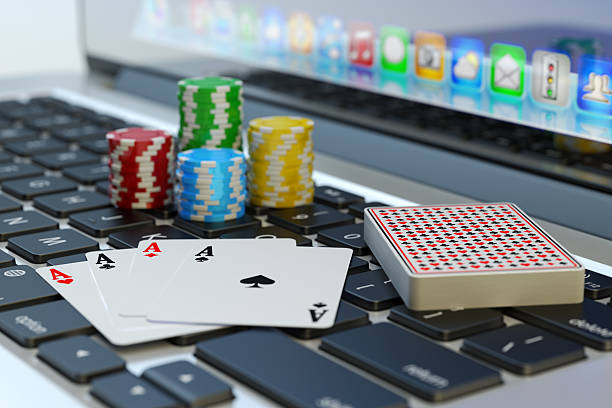
This strategy ties into the concept of reinforcement. When players experience wins, even if they are small, it reinforces the behavior of playing. The brain releases dopamine, a neurotransmitter that contributes to feelings of pleasure. Over time, this can lead to habitual play, as players chase those high feelings associated with winning, even when actual gains are minimal.
The Environment: Setting the Scene
The physical environment of a casino is meticulously crafted to keep players engaged. From bright lights to vibrant colors, every aspect is designed to stimulate the senses and encourage longer playtime. The lack of windows and clocks creates a disorienting atmosphere where players lose track of time, leading them to stay longer than they initially planned.
Furthermore, the sounds of coins clinking and the jingles of winning spins add another layer of reinforcement. These auditory cues are carefully calibrated to create excitement and anticipation, further immersing players in the experience. Casinos aim to create an environment that feels alive and exhilarating, leaving players with little choice but to keep feeding the machines or placing additional bets.
The Power of Social Interaction
Another clever tactic employed by casinos is fostering social interaction. By creating areas where players can gather, such as bars and lounges, casinos turn gambling into a social event. Players often feel compelled to stay and play longer, not just for the thrill of the game but also for the camaraderie and social validation that comes with interacting with fellow gamblers.
This social aspect also plays into the psychology of competition. Players may become motivated by the presence of others, feeling a desire to keep pace or out-do fellow gamblers. This “keeping up with the Joneses” mentality can drive individuals to extend their gaming sessions and place higher bets, all in the name of maintaining a social status within the casino community.
The Role of Marketing and Promotions
Marketing and promotional offers are vital in maintaining player engagement at casinos. Compelling bonuses, loyalty programs, and free offers create an enticing environment that lures players back to the gaming floor. These promotions are not merely financial incentives; they are psychological tools that make players feel valued and appreciated, motivating them to keep returning to the casino.
Moreover, limited-time offers create a sense of urgency, prompting players to act quickly lest they miss out. This pressure can lead to impulsive gambling decisions as people rush to take advantage of promotions, often resulting in prolonged playing sessions and increased spending, which casinos are keen to exploit.

Conclusion: The Responsible Path Forward
Understanding the psychological tricks that casinos use is crucial for players aiming to gamble responsibly. Awareness of these tactics can help gamblers make informed decisions and set limits on their spending. Recognizing the signs of addiction and the tactics employed by casinos can foster healthier gaming habits.
This awareness is essential for promoting a safer gambling environment. Resources for responsible gaming should be a focus for all players, ensuring that they can enjoy the thrill of the game without falling victim to the psychological traps that casinos set. By understanding these dynamics, we can take control of our gaming experiences and engage in responsible play.
